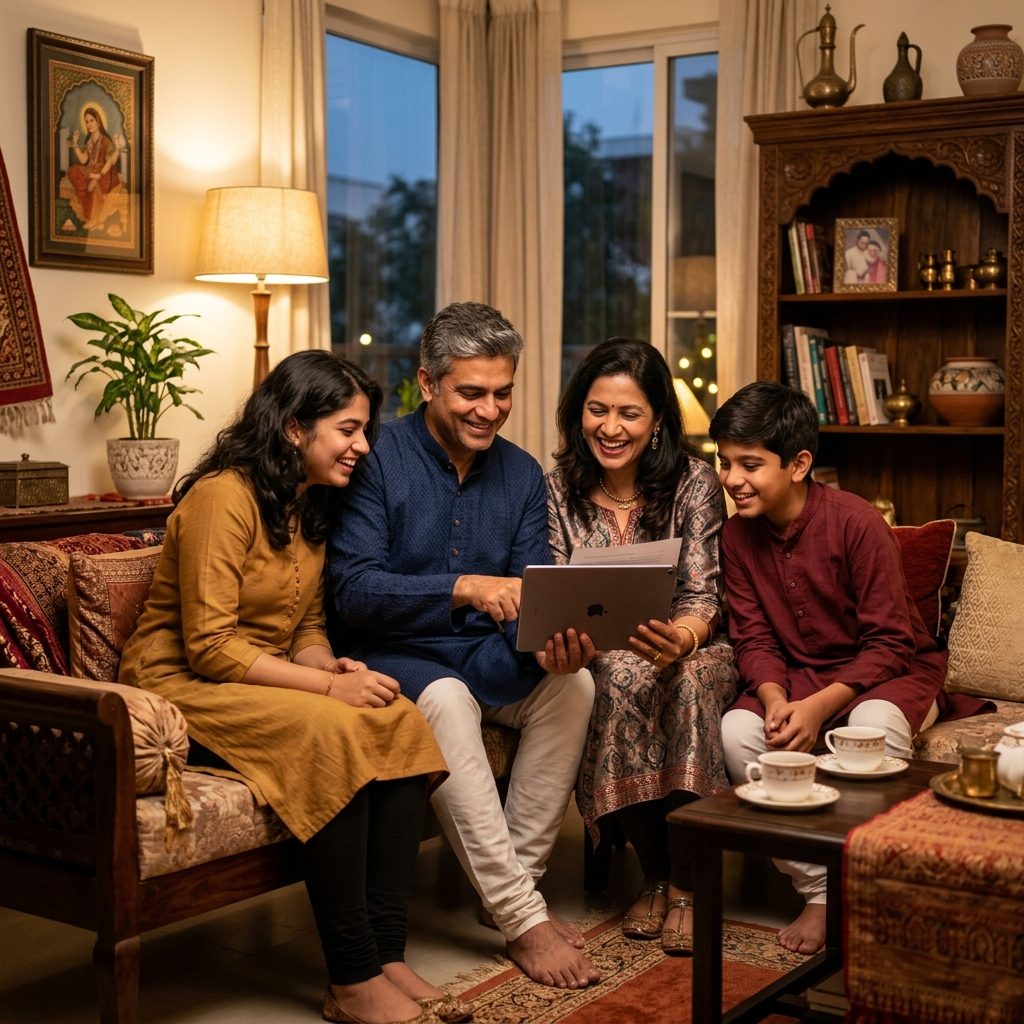
For generations, the marriage biodata has been the quiet messenger of Indian matchmaking. It is the first introduction between two families, carrying the weight of traditions, academic achievements, and future dreams. However, as modern Indian families navigate the delicate balance between traditional values and progressive lifestyles, the conventional, dry biodata format is undergoing a massive transformation. Today, a biodata is not just a list of academic degrees and family members; it is a canvas that paints a picture of who you are and the life you wish to build. Crafting a document that respects heritage while celebrating individuality is the first step toward a meaningful connection.
Embrace Authenticity Over Clichés
The era of using generic terms like "homely yet modern" or "simple and cultured" is behind us. Modern families and candidates appreciate specificity. Instead of vague descriptors, focus on concrete aspects of your personality, daily life, and outlook. If you love cooking, mention your favorite regional cuisines to experiment with. If your career is a central part of your identity, talk passionately about your profession, your industry, and your long-term goals. Authenticity acts as a natural filter, attracting individuals who appreciate the real you rather than a polished caricature that lacks depth.
Balance Family Heritage and Personal Identity
An Indian wedding is a union of two families, making family background an essential part of the biodata. However, the presentation matters. Allocate equal space to your personal achievements and your family's background. Respectfully detail your parents' professions, siblings' details, and your family values, but ensure your personal aspirations, hobbies, and lifestyle choices remain in the spotlight. Whether you are discussing gotra and family roots or your love for weekend treks and literature, presenting a balanced view helps the reader understand both your compatibility with their family and your compatibility as an individual partner.
"A marriage biodata should not read like a corporate résumé. It is a warm invitation into your life, detailing not just what you have achieved, but who you are at heart and what you value in a life partner."
Select the Right Photographs
Your photograph is often the first thing that catches the eye. Avoid stiff passport-sized photos or casual selfies with busy backgrounds. Opt for high-quality, professional, or semi-professional portraits taken in natural lighting. A mix of attire works best: one formal or semi-formal look, and one traditional Indian ethnic outfit that highlights your personal style. Ensure your smile is genuine and your posture is relaxed. A warm, approachable photograph sets a positive tone even before the text is read.
Formatting and Final Touches
The layout of your biodata should be clean, readable, and aesthetically pleasing. Use warm, elegant color palettes like deep maroons, royal blues, or warm gold accents that reflect Indian cultural aesthetics without being overwhelming. Ensure the font sizes are readable, particularly for elders in the family who may be reviewing the document on mobile screens.
- Keep it concise: Limit your biodata to one or two pages. Respect the reader's time by keeping the layout structured and easy to scan.
- State preferences clearly: Be polite but clear about your expectations regarding partner compatibility, location flexibility, and career support.
- Proofread thoroughly: Typos and grammatical errors can leave a poor impression. Have a family member or trusted friend review the final draft before sharing it.
Creating a balanced, modern biodata from scratch can feel overwhelming. To make this process seamless, you can use the intuitive Biodata Maker by Shubh Muhrat. This tool helps you design a beautifully formatted, culturally respectful, and modern document that presents you and your family in the best possible light, ensuring you start your matchmaking journey on the right note.