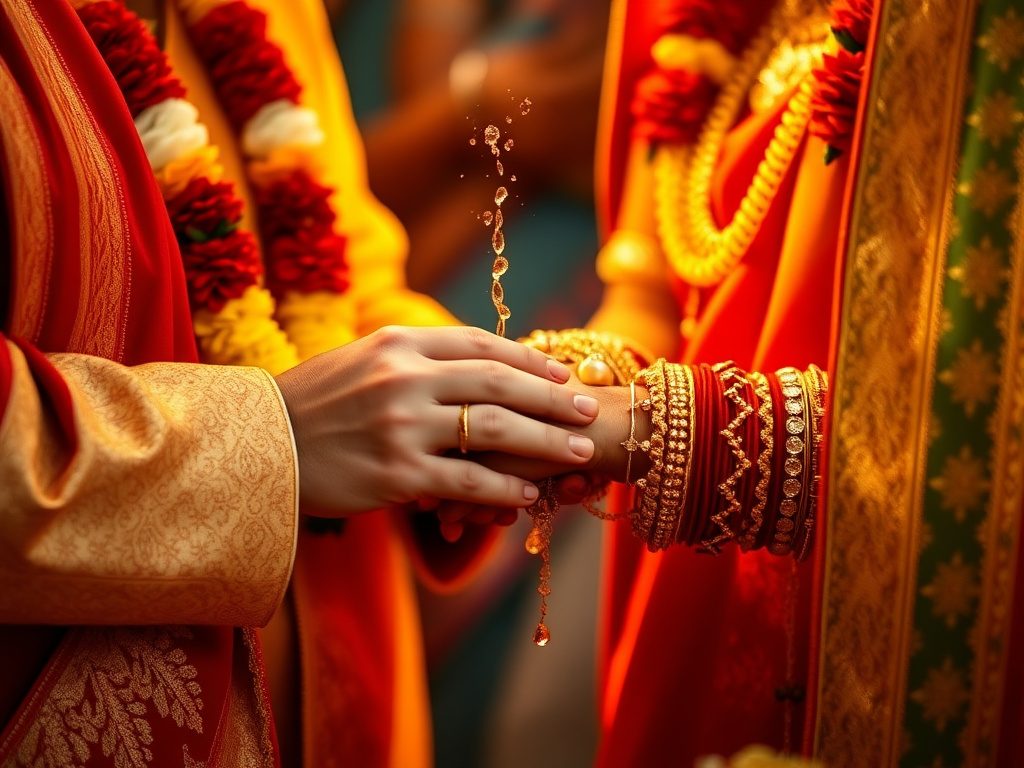
The Indian wedding is a beautiful tapestry of ancient customs, emotional transitions, and sacred vows. Among these, the ritual of Kanyadaan holds a unique and emotionally charged place, often bringing tears to the eyes of the bride's parents. Literally translating to the "giving away of the daughter," this ritual is the emotional core of the traditional Hindu wedding ceremony. While it is deeply rooted in Vedic traditions, understanding its true spiritual significance helps modern couples appreciate the beauty of this transition.
The Spiritual Essence of Mahadaan
In Vedic philosophy, Kanyadaan is considered the highest form of offering a householder can make, often referred to as Mahadaan. The word "daan" is frequently misunderstood in modern contexts as charity or the physical giving away of an object. However, in the context of Kanyadaan, it represents the solemn presentation of the bride, who is considered the embodiment of Goddess Lakshmi, to the groom, who represents Lord Vishnu. By performing this ritual, the bride's parents fulfill their ultimate spiritual duty, transitioning her care, protection, and guardianship to her new partner. It is a transition of lineage and a sacred promise of life-long support.
"Kanyadaan is not the relinquishing of a daughter's place in her parental home, but the expansion of her family to include another lineage of love, honor, and respect."
The Ritual Steps and Symbols
The physical ritual of Kanyadaan is rich with symbolic gestures that reinforce the union. It typically proceeds with the groom placing his right hand over the bride's right hand. The bride's father then places his hand over theirs, followed by the bride's mother pouring holy water over their clasped hands. Here are the key symbolic elements involved:
- Hastamelap: The joining of hands represents the physical, emotional, and spiritual union of the couple.
- Water and Turmeric: The pouring of water symbolizes the purification of the new path ahead and the washing away of past debts.
- The Groom's Promise: During the flow of water, the groom recites Vedic hymns, promising the father that he will never fail the bride in her pursuit of dharma, artha, and kama.
A Modern Perspective on a Sacred Tradition
As societal structures evolve, modern Indian couples and their families are reinterpreting Kanyadaan to match contemporary values. Rather than viewing it as a unilateral transfer of ownership, modern families celebrate it as a mutual agreement of respect and support between two families. Some families choose to frame it as a ceremony of welcoming the groom while honoring the bride's independent identity. Regardless of how the ritual is adapted, the core emotional value remains: a celebration of parental love, blessings for the couple's future, and the coming together of two households.
No matter how you choose to personalize this beautiful ritual, establishing a strong spiritual foundation is key to a harmonious marriage. To ensure your sacred union begins under the most auspicious circumstances, you can consult Shubh Muhrat's Kundli Match to check compatibility and align your stars for a blessed future together.