
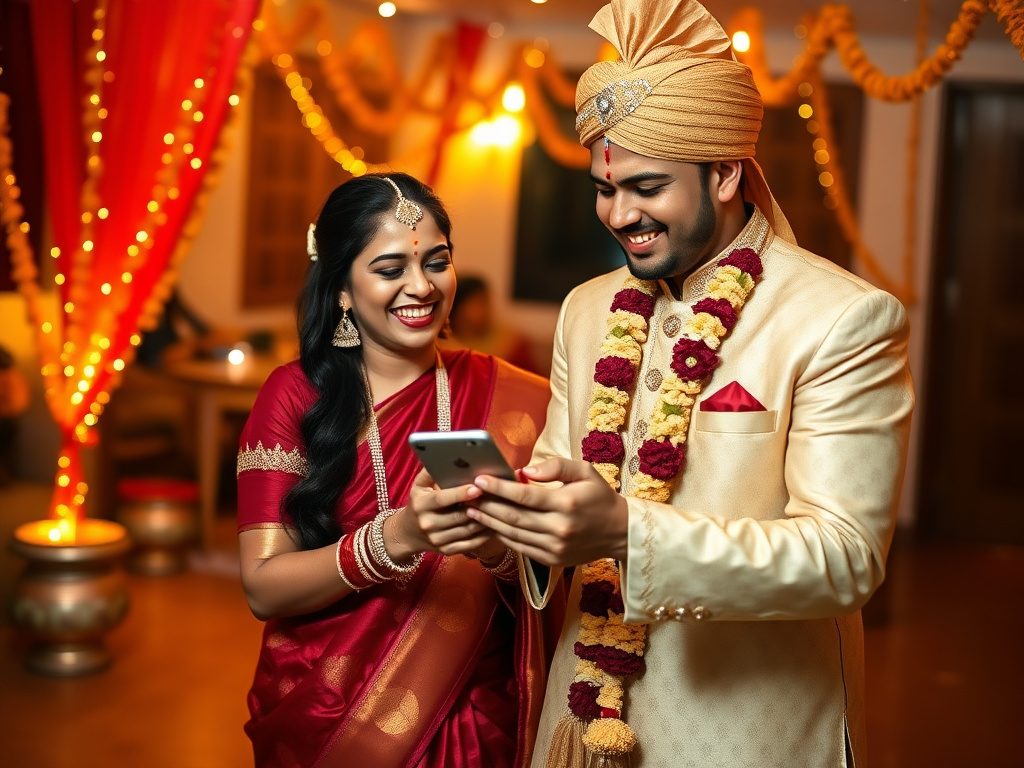
The most forwarded thing on the family WhatsApp group this season isn't the muhurat or the menu. It's a chubby, big-eyed cartoon version of the bride and groom - she in a red Banarasi, him fumbling with his safa - doing a little dhol step before their names dissolve into gold. The 3D Pixar-style character invite is the runaway wedding trend of 2026, and it works for one stubborn reason: your bua doesn't share an elegant floral card, but she will absolutely share a tiny animated version of you that made her laugh out loud. This is the digital wedding invitation that finally feels like the couple, not a template.
If you've seen one and wondered whether it's worth doing for your own shaadi - or whether it'll look childish to the elders - here's the honest breakdown before you commit.
What exactly is a 3D Pixar-style character invite?
Short answer: it's an animated card where you and your partner become illustrated 3D characters - soft, rounded, movie-poster faces, the kind you'd see in a big-studio animated film - dressed in your actual wedding outfits and acting out your story. Not a photo. Not a flat cartoon. A small, glossy, three-dimensional version of the two of you.
The good ones don't just float your faces on a background. They give the characters a scene that's specifically yours. A Marwari couple's invite might open with the cartoon groom arriving on a tiny baraat horse. A Tamil Iyer card might show the characters folding hands before a mandapam, the groom's panchakacham getting comically tangled. A Bengali one might have the bride peeking from behind paan leaves at the shubho drishti moment. The characters carry the personality the printed card never could.
Why did these suddenly take over in 2026?
Short answer: the tools finally caught up with the want. Making a single cartoon character used to mean hiring an illustrator for weeks. Now AI-assisted character invite builders turn a couple of clear photos into a styled 3D avatar in minutes, and couples who'd never have paid an animation studio can suddenly afford the look that used to belong only to film posters.
The deeper reason is emotional, though. A photo invite shows how you look. A character invite shows how you are. The slightly-too-tall groom, the bride who's always laughing, the dog that's basically a third family member - all of it becomes a sweet little caricature. That's catnip for forwarding. People don't share information; they share things that make them feel something. A cartoon you doing a clumsy bhangra step beats a tasteful gold border every single time.
A photo invite shows how the couple looks. A character invite shows how the couple feels - and that's the thing relatives can't stop forwarding.
Won't a cartoon invite look childish to the elders?
Short answer: only if you do it carelessly - and most of that fear is overblown. Here's the honest myth-bust most families get wrong: they assume "cartoon" means "unserious," so they default to a stiff cream-and-maroon card to look respectable. But the elders aren't offended by the style. They're offended by sloppiness - wrong outfit, a face that doesn't look like you, a Ganpati or kalash that's missing where tradition expects one.
Get the cultural details right and the older generation loves these more than the cousins do. Show your dadi a 3D version of herself standing beside the couple in her trademark white saree and she will not stop talking about it. The trick is treating the cartoon with the same respect you'd give a real card: correct attire, the right religious symbol at the top, names spelled properly, and the ceremony order accurate. You can build exactly that kind of personalised, character-led card - picking the template, the outfits, the accent colour, and the music - in our Invite Studio, so the style stays playful while the details stay correct.
How do I make a 3D character invite that actually gets forwarded?
Short answer: nail the likeness, keep it short, and lead with the joke. A character invite lives or dies on the first three seconds and on whether people recognise themselves in it. Here's what separates a card your relatives replay from one they politely ignore:
- Use 2-3 clear, well-lit photos for each face. A blurry selfie gives you a stranger's avatar. Front-facing, good light, no sunglasses - that's what makes the character actually look like you.
- Dress the characters in your real wedding outfits. If the bride is wearing a Kanjeevaram and the cartoon shows a lehenga, the magic breaks instantly. Match the community - safa for Rajasthani, mundu for Malayali, sherwani for the reception.
- Lead with the funniest, truest detail. The groom who's always late, the bride who out-dances everyone, the pet who thinks the wedding is for him. One specific gag beats ten generic flourishes.
- Keep it under 60 seconds. A character invite is a punchline, not a feature film. Names, date, one scene, one muhurat, done.
- Put the right religious symbol and ceremony order in. Ek Onkar, Om, the cross, the kalash - whatever your family expects at the top. Then haldi, mehndi, sangeet, phera in correct sequence.
- End with a real RSVP link, not just a phone number. The whole point is reach - make replying a single tap so the forwards turn into a real headcount.
Does a fun cartoon invite still help me run the actual wedding?
Short answer: yes, and that's the part families underestimate. The character invite isn't just a laugh - it's the front door to your whole guest operation. Every relative who taps it can hit one button to confirm, and that single number is what saves you from over-catering 150 plates out of pure fear.
Once the replies start landing, the cartoon has done its job and the real logistics begin. That's where our Guest Manager takes the running RSVP count and turns it into something usable - grouping families for room allocation, splitting haldi versus reception headcounts, and chasing the cousins who watched the invite four times but never tapped reply. The same forward that made everyone laugh quietly builds the list your father used to spend two weeks assembling by phone.
Is this just a passing fad, or worth doing now?
Short answer: do it now, but don't let it be your only invite. The character format will evolve - by next season the avatars will talk, walk through your venue, maybe wave when you open the link. But the printed card still has a small, real job: the heavy keepsake you hand the boy's family in person, the one grandparents frame. Smart couples send the playful 3D character invite for reach and replies, and keep a few printed cards for the relationships that genuinely need ink and paper.
And the joy isn't only for the couple. Some families now make character versions of the whole clan - the cartoon dada-dadi, the chacha who'll definitely cry at the vidaai - and even the friend who introduced you, especially if you two first found each other browsing compatible profiles online. The invite stops being an announcement and becomes a tiny animated family portrait people keep long after the wedding.
If you're sending out word for a shaadi this season, give your relatives something they'll actually forward. Pick two clear photos, choose the outfits and the music that sound like your family, and build your 3D Pixar-style character invite first - the printed cards can follow for the few who'll treasure them. Your bua is waiting to laugh and tap share. Give her a tiny cartoon you worth forwarding twice.