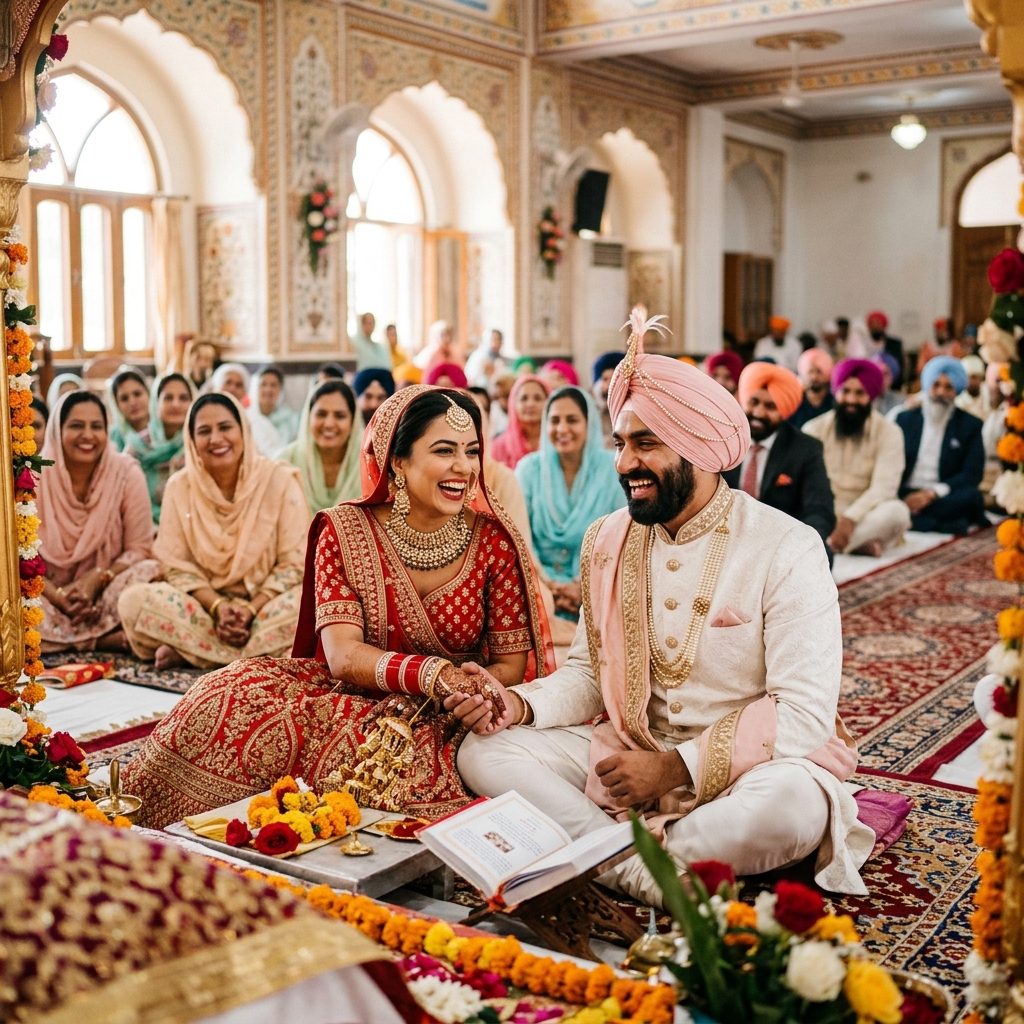
Punjabi weddings are globally renowned for their unmatched energy, deep-rooted traditions, and infectious joy. Far from being just a single-day event, a traditional Punjabi wedding is a grand tapestry of rituals spread over several weeks, if not months. Understanding the flow of these functions from the initial commitment to the final celebration helps families plan their timelines, budgets, and guest experiences with ease.
The Pre-Wedding Milestones: Roka to Chunni
The journey begins with the Roka and Thaka, which mark the official announcement of the alliance. Traditionally, the groom's family visits the bride's home (Roka) to secure the alliance with blessings, dry fruits, and sweets, followed by a reciprocal visit by the bride's family (Thaka). Once the wedding date is finalized, the Chunni Chadana ceremony takes place. The groom’s family gifts a red chunni, jewelry, and traditional attire to the bride, formally welcoming her into their lineage. This event cements the bond between the two households, laying the foundation for the grand celebrations to follow.
The Festive Prelude: Sangeet, Mehendi, and Haldi
As the wedding week approaches, the celebrations kick into high gear with a series of vibrant, music-filled gatherings. The Maiyan (or Haldi) ceremony involves applying a paste of turmeric, sandalwood, and mustard oil to the bride and groom at their respective homes, accompanied by the singing of traditional folk songs. This is followed by the Sangeet, which often features the high-energy Jaago ritual where maternal aunts carry decorated brass pots with lit lamps on their heads to wake up the neighborhood in celebration. Concurrently, the Mehendi ceremony sees the bride's hands and feet adorned with intricate henna designs, symbolizing love and prosperity. Another critical ritual is the Choora ceremony, where the bride's maternal uncles wash her traditional red and white bangles in milk and rose petals before sliding them onto her wrists.
"A Punjabi wedding is not just the union of two individuals; it is a joyous collision of two families, celebrated through songs that date back generations and rituals that bind hearts forever."
The Big Day and Beyond: Anand Karaj to Reception
The wedding day typically begins with the Milni, where the male relatives of both families exchange garlands and warm hugs at the entrance of the venue. The main wedding ceremony, whether it is the sacred Anand Karaj (the Sikh four rounds around the Guru Granth Sahib) or the traditional Vedic Phere around the holy fire, is a solemn and beautiful affair. Post-wedding, the emotional Doli marks the bride’s departure from her parental home, a poignant moment of transition for her family. The grand finale is the Reception, a high-octane party filled with Bhangra, lavish Punjabi cuisine, and heartfelt speeches where the newlyweds are formally introduced to the wider community as a married couple.
Managing the invitations for this multi-event extravaganza can be overwhelming. To keep your guests informed about the unique dress codes, timings, and venues for each function, you can create stunning digital invites using the Shubh Muhrat Invite Studio, ensuring your guests share in every key moment of your celebration.
- Roka & Thaka: The formal consent and alliance announcement.
- Sangeet & Jaago: Nights of folk music, dance, and community bonding.
- Choora & Maiyan: Sacred purification and bridal adornment rituals.
- Anand Karaj / Wedding: The sacred vows and spiritual union.
- Reception: The grand celebratory feast welcoming the newlyweds.