
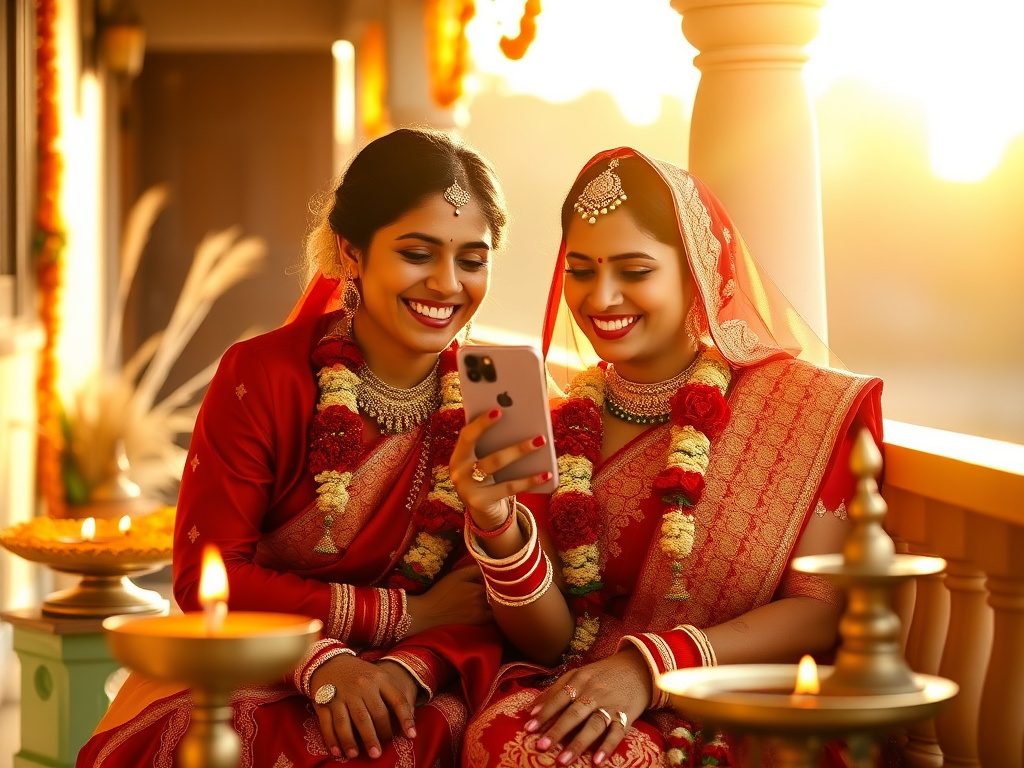
Here's the part of an Indian wedding nobody plans for: the morning after, when the mehndi is fading off your hands and roughly 300 people are quietly wondering if you noticed they came. Sending digital thank you notes after the wedding is the cheapest, fastest way to make every single guest feel seen - and almost every family forgets to do it. They spent eight months on the menu and zero minutes on the goodbye. A warm post-wedding thank you message is what turns a guest into someone who tells your story for years.
You don't need calligraphy. You don't need a return envelope. You need a phone, a clean guest list, and about ninety minutes.
Do digital thank you notes actually feel personal, or just lazy?
Short answer: a good one feels far more personal than a generic printed card with your faces on it. The lazy version is the forward - the same WhatsApp blast with a couple's photo and "Thank you for blessing our union 🙏" sent to everyone from your nani to your husband's boss. People can smell a broadcast instantly.
The trick is the second sentence. Open with a real, specific memory and the whole thing flips. "Mausi, thank you for that container of besan ladoo you smuggled into the haldi - we finished it before the reception." That took you nine seconds and that person will remember it longer than the wedding itself. Specificity is the entire game. A note that could go to anyone reaches no one.
A thank you that names what only that person did is worth a hundred forwarded cards with your photo on them.
How fast do you actually have to send them?
Within a week, ideally three to four days. That's when the wedding is still warm and your guests are still scrolling through their own photos of your sangeet. Wait a month and the note reads like an afterthought you got guilted into - especially from the older crowd, who absolutely keep score on this.
If you're leaving straight for a honeymoon, that's not an excuse, it's a planning step. Draft the messages before the wedding and have a sibling or a cousin press send on the right day. The bar isn't "perfectly composed at 2am from a Goa balcony." The bar is "arrived while it still mattered."
How do you thank 300 people without losing your mind?
You sort first, then write. Trying to thank everyone with the same energy is how people give up by guest forty and ghost the rest. Group your list into tiers based on how close they are and what they did, then match the message to the tier.
- Inner circle (parents' close friends, the chacha who handled logistics, your best friends): a voice note or a short personal video. Thirty seconds of your actual face beats any text.
- Gift-givers: name the gift if you can. "The Jaipur blue pottery dinner set is already on our shelf" lands ten times harder than "thank you for your generous gift."
- The travelled-far guests: acknowledge the effort. The Bengaluru cousin who flew up for a Delhi wedding remembers being thanked for the trip, not just the attendance.
- Elders: a respectful written message with their name and a line asking for their aashirwad. Skip the emojis here; keep it warm and proper.
- The broad list (acquaintances, plus-ones, distant relatives): one genuinely warm group-style message is completely fine - just write it like a human, not a template.
- Vendors who went above and beyond: a thank you plus a public review. For them that line is worth more than money.
The thing that makes this survivable is a single organised list you can tick off, with notes on who gave what. This is exactly the job our Guest Manager tool is built for - it holds your headcount, your RSVP records, and the gift notes in one place, so writing thank you notes becomes a clean checklist instead of a frantic scroll through six WhatsApp groups and your mother's diary.
Should the message look as nice as the invite did?
It can, and it costs you almost nothing. If you sent a gorgeous e-card or video invitation, your thank you note feels like a natural bookend when it carries the same colours and feel. A lot of couples build a small closing card using the same Invite Studio they used for the save-the-date, so the whole journey - invite to goodbye - looks like one story instead of a stray text at the end.
That said, don't let the design swallow the message. A beautiful card with a hollow line is worse than a plain text with a real one. Visuals are the wrapping; the words are the gift. If you only have time for one, choose the words.
What do you actually write? Give me the words.
Short answer: open with the specific, say what their presence or gift meant, and close with a forward-looking line. Three beats, that's it.
A template that works across communities: "Dear [name], it genuinely meant the world to have you with us on [date]. [One specific memory or gift]. Your blessings are something we'll carry into this new chapter - thank you, from both of us." For a Tamil Iyer wedding you might thank an elder for the muhurtam blessings; for a Marwari family, name the person who anchored the band-baaja; for a Bengali wedding, mention who you spotted at the shubho drishti. The frame stays the same; the detail makes it theirs.
One honest opinion, since families argue about this every year: a heartfelt voice note from you beats a flawless printed card every single time. The older generation will swear by physical cards, and a handful of elders genuinely deserve one. But for most of your 300, your actual voice saying their name is the thing they'll screenshot and save.
And if the wedding has left you thinking about helping a sibling or friend start this whole journey, a clean, kind first message is the same muscle - whether it's a thank you or a first hello to a compatible match, warmth that names a real detail always wins.
So before the rush fades and the floral debt of gratitude piles up, block ninety minutes this week. Sort your list, write the specific lines, send your digital thank you notes while the joy is still fresh. Your guests gave you a day they'll remember - send them one sentence that proves you remember them too.