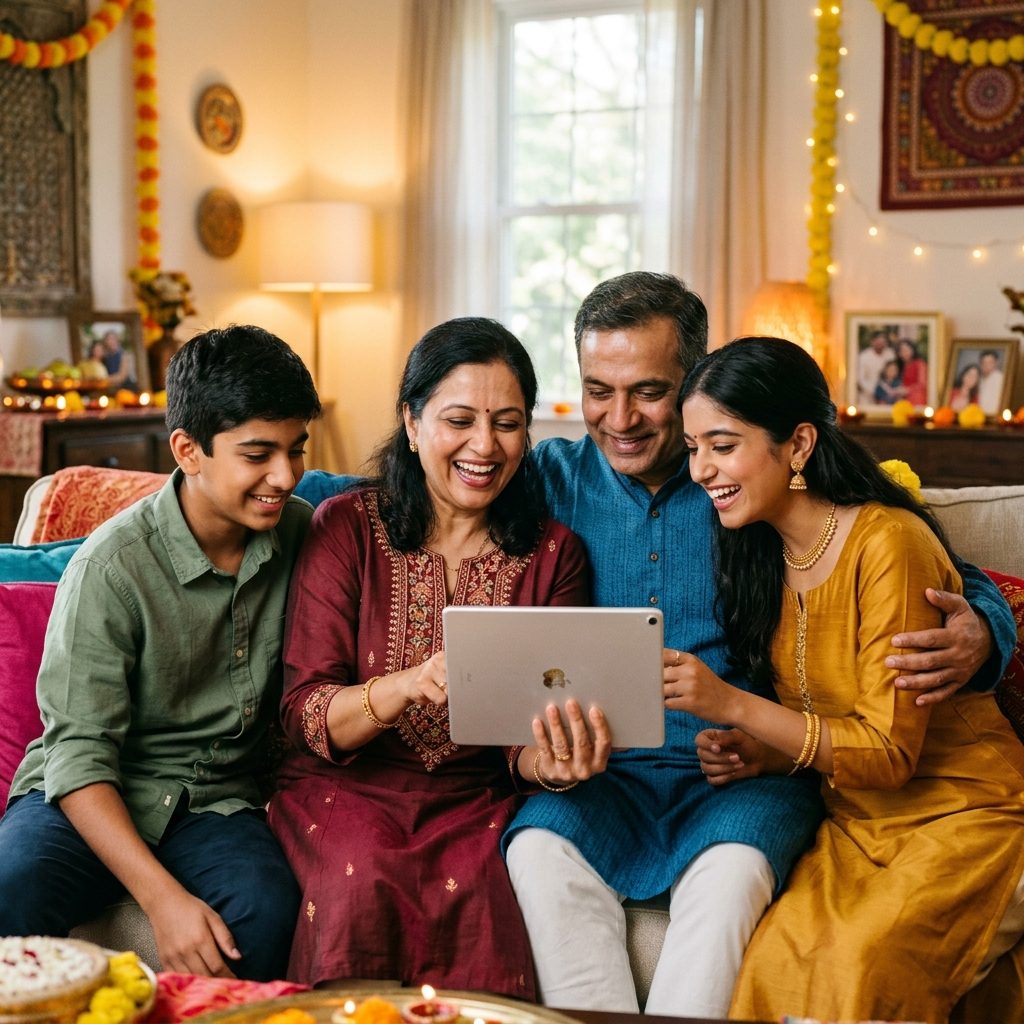
The traditional Indian marriage biodata has undergone a significant transformation. Once a rigid document detailing only academic qualifications, family lineage, and physical attributes, it has evolved into a narrative of who you are and what you seek in a life partner. For modern Indian families, the challenge lies in balancing deep-rooted cultural values with the personal aspirations of the prospective bride or groom.
Today's matchmaking process is as much about compatibility between two individuals as it is about the union of two families. A well-crafted biodata serves as your first introduction, helping you stand out in a sea of generic profiles while attracting matches that align with your lifestyle, values, and long-term expectations.
Balancing Personal Aspirations with Family Values
A modern biodata must reflect both your individual identity and your family background. While it is important to list your educational achievements and career milestones, it is equally vital to describe your personality, hobbies, and outlook on life. When writing the "About Me" section, focus on your values, how you spend your weekends, and your career goals. Instead of just listing facts, weave them into a narrative. For the family section, keep it respectful and concise. Highlight your family’s values, background, and location, giving prospective matches a clear picture of your roots without overwhelming them with unnecessary details about extended relatives.
Framing Life Preferences with Clarity and Grace
One of the biggest hurdles in drafting a biodata is expressing expectations without sounding demanding. Modern families appreciate clarity. If career growth, relocation potential, or specific lifestyle choices (such as dietary habits or work-life balance) are non-negotiable for you, state them politely. For instance, instead of writing "Partner must be willing to shift to Mumbai," you can write, "I am looking for a partner who is open to settling in Mumbai, where my career is currently based." This approach shows determination while maintaining a warm and welcoming tone.
A successful marriage biodata does not look for a perfect person, but rather the right person whose values, lifestyle, and vision for the future align with your own. It is a bridge between tradition and individuality.
Avoiding Outdated Terminology and Selecting Photos
Language matters. Avoid using outdated and sometimes regressive phrases like "homely girl," "innocent divorcee," or "status-conscious." Instead, use terms like "family-oriented," "independent," or "career-focused." Let your language reflect a progressive mindset. Additionally, the choice of photographs can make or break your biodata. Include three to four high-quality photos: one professional headshot with a warm smile, one traditional outfit photo, and one casual photo that shows you in a natural environment. Avoid using heavily filtered selfies, group photos where it is hard to identify you, or pictures from a decade ago.
Create Your Modern Biodata Effortlessly
Drafting the perfect layout and formatting can be daunting. To help you present your story beautifully, you can use the Shubh Muhrat Biodata Maker. It offers elegant, culturally resonant templates designed specifically for the modern Indian context, ensuring your first impression is both professional and deeply personal.