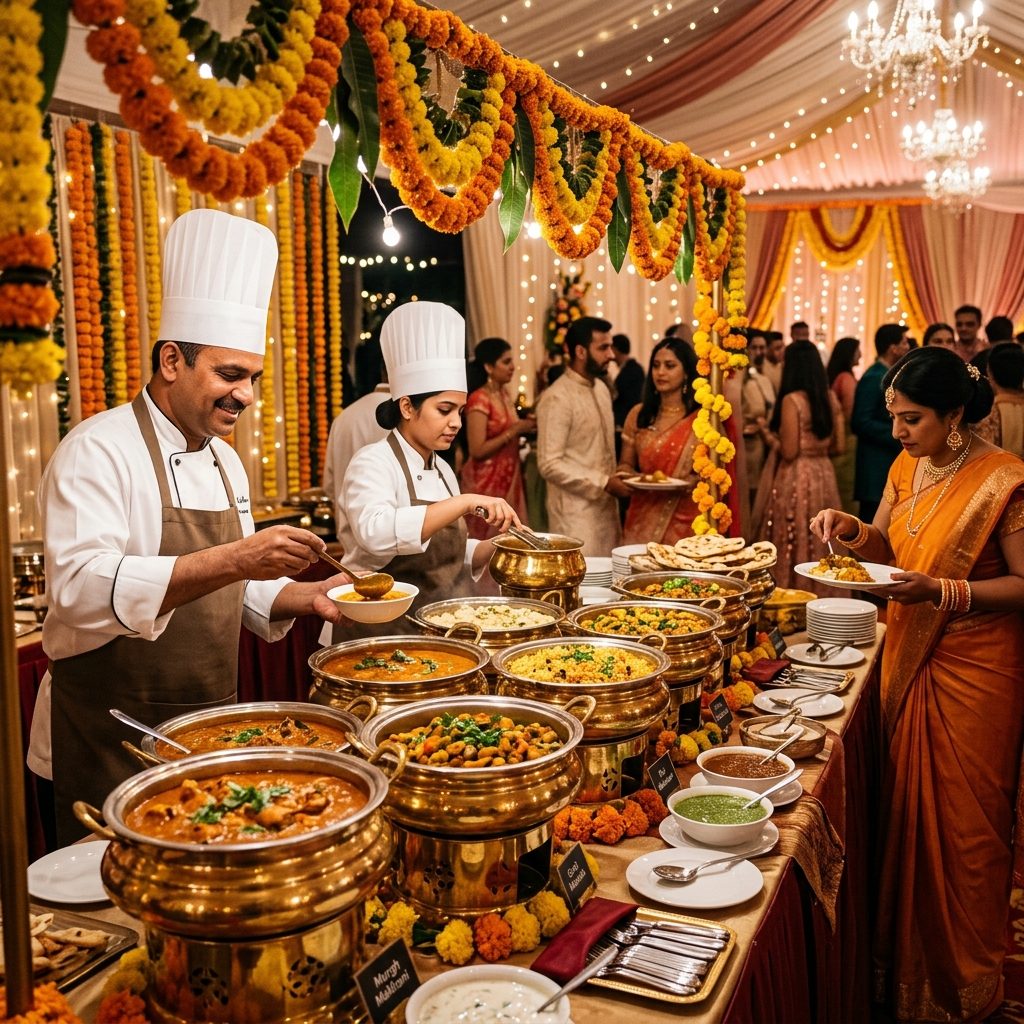
Food is the cultural heartbeat of any Indian celebration, setting the tone for every pre-wedding function from the vibrant mehendi high tea to the lavish reception banquet. Yet, families frequently invest months perfecting the menu while treating the legal agreement as a mere formality. A robust wedding catering contract protects your budget, ensures food safety, and guarantees that your guests experience authentic flavors without unpleasant surprises on the big day.
The Battle of the Plate Count Guarantee
One of the most contentious points in any Indian wedding catering contract is the guest count policy. Caterers usually ask for a confirmed minimum plate count forty-eight to seventy-two hours before the event. However, Indian weddings are famous for unexpected plus-ones and community elders arriving unannounced. You need a clause that specifies how last-minute surges are handled, what percentage of extra food is prepared on site, and how billing is adjusted if turnout falls short of expectations.
Tasting Records and Recipe Standardization
The dal makhani you tasted during the food tasting session should taste identical to what is served to three hundred guests at your reception. To avoid culinary discrepancies, your contract must include a recipe standardization clause.
- Attach the signed tasting menu as an immutable annexure to the main contract.
- Explicitly mention the brand of cooking mediums, such as pure ghee or specific refined oils, to prevent cost-cutting substitutions.
- Include penalties or withholding terms if the food quality noticeably drops on the wedding day.
Waste Management and Surplus Food Distribution
Traditional Indian hospitality dictates that no guest should leave hungry, which often results in abundant leftover food. Your catering contract should clearly state who retains ownership of the surplus untouched food. In many cities, registered NGOs partner with wedding venues to pick up excess wholesome food for distribution. Ensure your agreement allows for this noble practice without incurring extra liability or disposal fees from the venue.
"A well-drafted catering agreement does not just protect your finances; it safeguards the culinary heritage and warmth you wish to share with every guest who blesses your union."
Hidden Extra Costs and Service Staff Ratios
Service charges, transport fees, glassware breakage deposits, and taxes can inflate your final bill by twenty percent if not discussed upfront. Ensure your quote is strictly inclusive of GST, service staff wages, and crockery rentals. Furthermore, stipulate a minimum waiter-to-guest ratio to ensure elderly relatives and VIP guests are served promptly during peak hours. When finalizing your reliable food partners alongside decor and photography, explore vetted wedding services on Shubh Bazaar to compare transparent pricing and verified vendor contracts.