
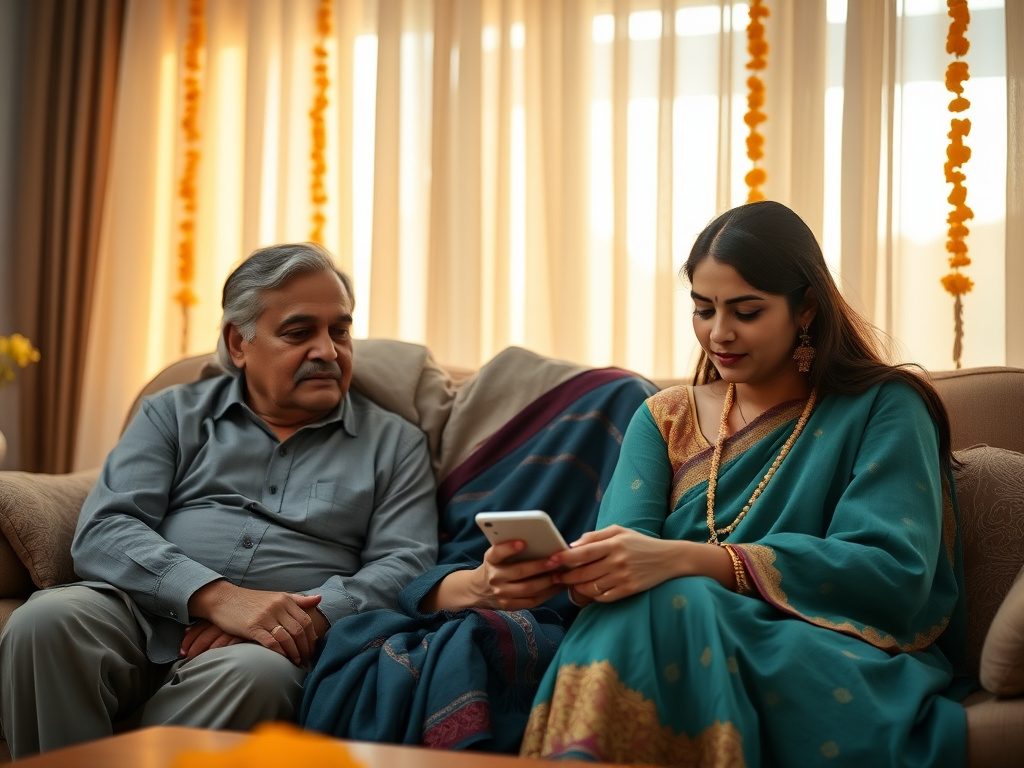
A profile with one blurry photo, a salary that sounds inflated, and a bio that reads like a wedding card is not shy. It is hiding something. Finding your partner safely online starts with one unglamorous habit most families skip in the rush of excitement: checking whether the person on the other side of the screen is actually who they claim to be. Verified profiles are not a luxury feature. On a serious matrimony platform, they are the floor.
India runs on referrals. Your maasi knows a boy, the boy's bua knows your family, and trust travels through that chain. The internet broke that chain. So now the question is blunt: how do you trust a stranger's profile when there's no aunty vouching for them?
What does a verified profile actually mean?
Short answer: it means a real human, with a real phone number, has proven at least part of their identity. Not their character. Not their intentions. Their identity.
Most people confuse the two and get burned. A verified mobile number confirms the account isn't a throwaway bot. A government-ID check (Aadhaar, PAN, passport) confirms the name and age aren't invented. A photo verification confirms the face in the picture is the face running the account. That's the spine of profile authentication in any decent online matchmaking setup. What it does NOT confirm is whether he really earns what he says, whether she's actually divorced or just "separated," or whether the family is as warm as the bio claims. Verification buys you a safe starting line, not a finish line.
Why should you care if the profile is verified or not?
Short answer: because the most expensive mistakes in arranged matchmaking happen before anyone meets in person. The classic Indian matrimony scam isn't dramatic. It's slow. A charming "NRI in Dubai" who can't video call because of "work," who needs a small loan for a customs problem, who has a sob story polished over weeks. Or the opposite end: a perfectly real person who simply lied about marital status, caste, or a previous engagement, and you find out three meetings deep.
Verified profiles cut the first kind almost entirely. A scammer running fifty fake accounts will never put their actual Aadhaar against each one. The friction filters them out. That's the quiet genius of it.
The goal of verification isn't to find a perfect match. It's to make sure the person you're falling for actually exists.
How do you spot a fake or risky profile yourself?
Short answer: trust your gut, then trust the checklist. Indian families are wonderful at reading rooms and terrible at reading screens. Slow down and look for the patterns scammers can't fake. When you're discovering compatible profiles and sending that first message, treat verification badges as your first filter and these signals as your second:
- Reverse-search the photos. Drop the profile picture into Google Images. If it belongs to a Pakistani model or a stock-photo bride, you'll know in ten seconds.
- Push for a video call early. A genuine person on a Reddy, Marwari, or Bengali match will happily hop on a 5-minute call. Endless excuses are the loudest red flag.
- Cross-check the details. Ask the same question twice across a week - the city, the job title, the sibling's name. Liars contradict themselves; honest people don't.
- Watch for rushed intensity. "My parents already love you" in week one, before any family has spoken, is a manipulation tactic, not romance.
- Never send money. Ever. No real prospective match, NRI or local, needs your bank transfer for a customs fee, a flight ticket, or a sick relative. This is the line that has zero exceptions.
- Insist the families speak. In a real arranged match, the parents talk parent-to-parent. A profile that keeps families apart is hiding the families.
Does a verified profile mean the match is right for you?
Short answer: no - and this is the myth-bust most families need. Verification tells you the person is real. It says nothing about whether you'll build a happy marriage with them. Those are different questions, and treating a blue tick like a compatibility certificate is how good people end up in wrong marriages.
This is where the older wisdom still earns its place. Once a profile is verified and the conversation is genuine, run the deeper checks: temperament, family values, life goals, and yes, the horoscope if your family follows it. Plenty of families run a guna milan and kundli compatibility check at exactly this stage - after identity is confirmed, before any commitment. Manglik status, rashi, nakshatra alignment: these are conversations to have once you know the human is real. Verification first, compatibility second. Skip the order and you're either matching a ghost or vetting a stranger you can't trust.
How do you present yourself as someone worth trusting?
Short answer: be the verified profile you'd want to receive. Safety online is a two-way street. The same families who demand authentication often upload a single grainy photo from a cousin's wedding and a bio with three lines. That makes YOU look like the risky profile.
Get verified yourself. Use clear, recent, solo photos - one face shot, one full-length, no group pictures where nobody can tell which person you are. Write honestly: if you're divorced, say so; the right family won't flinch, and the wrong one saving you time is a gift. A complete, well-formatted marriage biodata with proper photos and real details signals seriousness more than any badge. Reciprocity builds trust faster than anything else - when you're transparent, the genuine matches lean in and the dodgy ones drift away.
Finding your partner safely online isn't about being paranoid. It's about being a little less trusting of pixels and a little more trusting of process. Start with verified profiles, keep your gut switched on, let the families talk, and run the deeper compatibility checks only once you know the person is real. Do that, and the internet stops being a minefield and starts being what it should be - a wider, safer circle than any single aunty could ever introduce you to. Take it one honest conversation at a time. The right match is worth the patience.