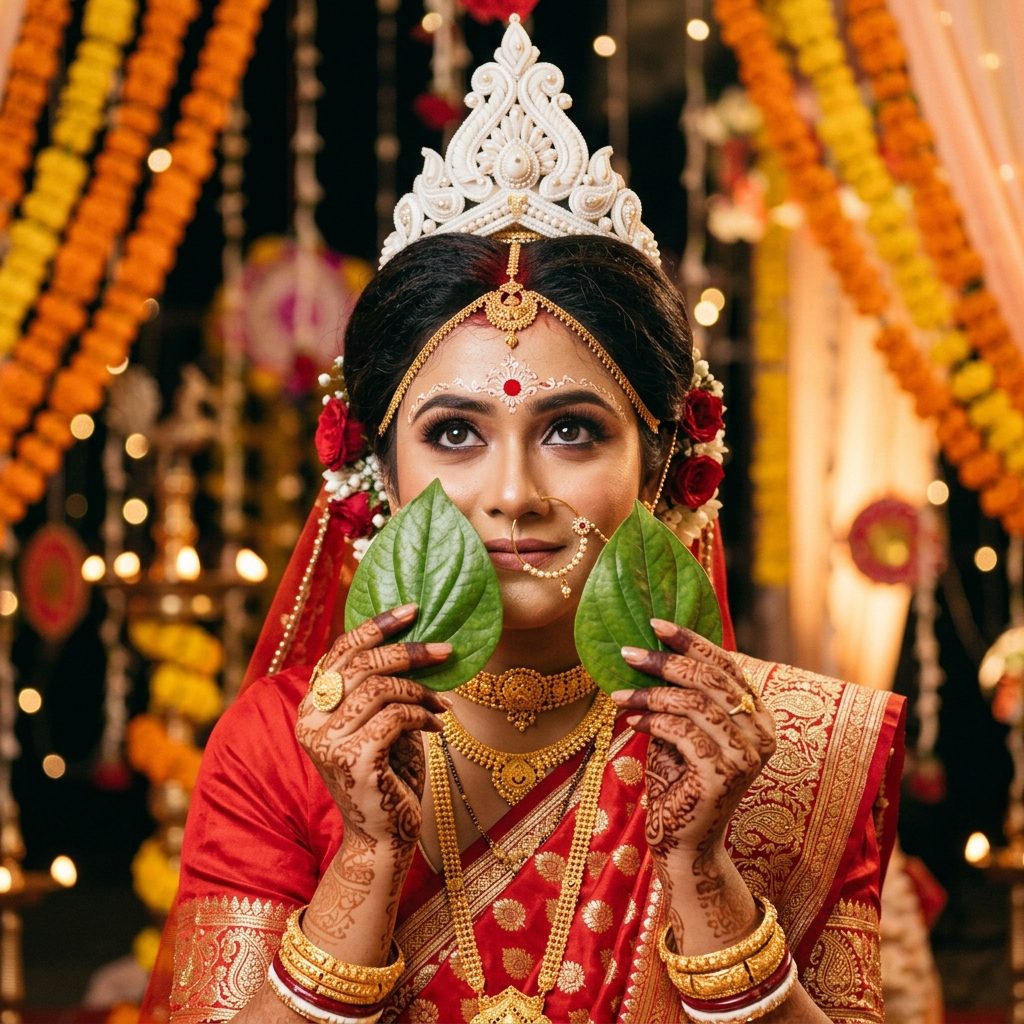
A traditional Bengali wedding, or Biye, is a sensory masterpiece. It is characterized by the resonant sound of the Ulu (ululation by women), the blowing of the Shankha (conch shell), and the fragrance of fresh tuberose and sandalwood. Beyond the grandeur and the delicious feast lies a tapestry of ancient rituals, each holding deep spiritual, emotional, and social significance. Understanding these customs allows families to appreciate the transition of two souls into a singular lifelong partnership.
The Pre-Wedding Nourishment: Aai Buro Bhaat and Dodhi Mongol
The journey begins before the wedding day with Aai Buro Bhaat, which translates to the final bachelor or bachelorette meal. Prepared by close relatives, this feast features the bride or groom's favorite dishes, traditionally served on brass utensils. It symbolizes the family's love and the transition out of unmarried life. On the wedding morning, before sunrise, Dodhi Mongol takes place. The couple is fed a mixture of curd, flattened rice, and sweets. This is their only sustenance for the day, as they must fast until the main wedding rituals are completed, teaching patience and discipline.
The Sacred Sight: Saat Paak and Shubho Drishti
The main ceremony begins with a dramatic flair unique to Bengal. During the Saat Paak, the bride sits on a low wooden stool called a piri and is carried around the groom seven times by her brothers and male relatives. During this circumambulation, she covers her face with sacred betel leaves. This represents the protective nature of her family. Once the seven rounds are complete, the Shubho Drishti occurs. The bride lowers the leaves, and the couple locks eyes for the first time on the wedding day, symbolizing the conscious union of their paths. This is immediately followed by the Mala Badal, the exchange of garlands, which signifies mutual acceptance.
The Binding Commitments: Sampradan and Sindoor Daan
The core of the wedding lies in the Sampradan, where the bride's father or an elder male relative places the bride's hand in the groom's hand, tying them with a sacred thread. This ritual, accompanied by Vedic chants, marks the formal giving away of the bride. The emotional peak of the ceremony is the Sindoor Daan. The groom applies vermilion on the parting of the bride’s hair using a new wooden measuring cup or a coin. This act cements her transition into a married woman and symbolizes the groom's vow to protect and cherish her forever.
Every ritual in a Bengali wedding, from the blowing of the conch shell to the application of vermilion, serves as a poignant reminder that marriage is not merely a social contract, but a sacred covenant witnessed by family, ancestors, and the divine.
Planning Your Traditional Bengali Biye
Honoring these ancient customs requires meticulous planning, starting from inviting your loved ones in a way that respects tradition. You can beautifully capture the essence of these rituals using the Invite Studio by Shubh Muhrat. This tool allows you to design elegant digital wedding invitations featuring traditional motifs like the Kula, Alpona designs, and the iconic Topor, ensuring your guests feel the warmth of Bengali hospitality from the very first invite.