
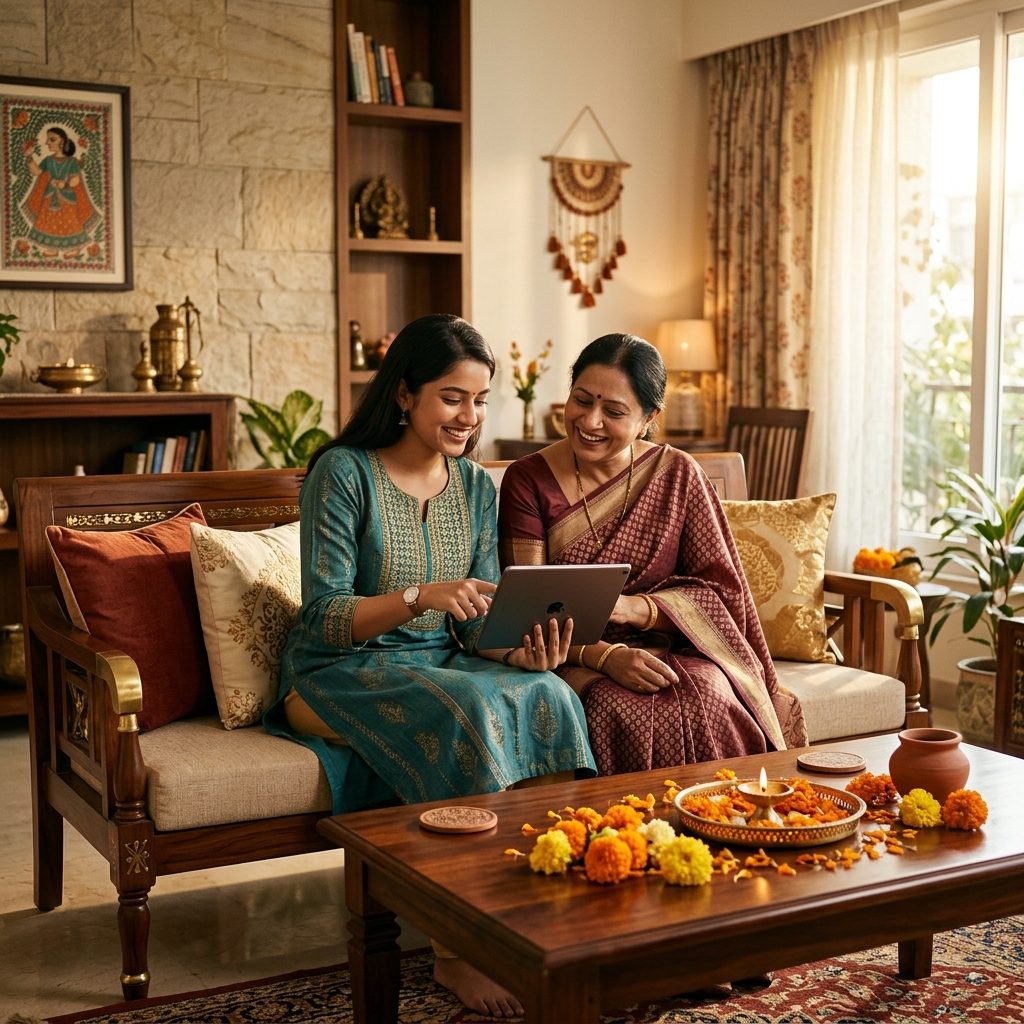
In Indian matchmaking, the marriage biodata serves as the first bridge built between two families. While ancestral roots, gotra details, and traditional values remain foundational, modern brides and grooms rightfully want their personalities, career ambitions, and lifestyle choices to shine through clearly. Finding the sweet spot between traditional reverence and modern individuality is essential when introducing your son or daughter to prospective matches.
1. Balance Traditional Detail with Personal Storytelling
A classic biodata often focused purely on educational degrees, family background, and horoscopic parameters like nakshatra or gotra. Today, adding a concise profile summary elevates your presentation significantly. Include personal interests such as travel preferences, fitness routines, creative pursuits, or core life principles alongside professional milestones. This gives prospective partners a complete picture of everyday compatibility.
Ensure your biodata clearly organizes information into well-defined categories:
- Personal Details: Full name, date of birth, height, marital status, and current city of residence.
- Career & Education: Academic qualifications, university details, current designation, and industry.
- Family Background: Parents' occupations, family structure, native home location, and general cultural ethos.
- Astro & Cultural Info: Birth time, location, gotra, and manglik status for families prioritizing Kundli matching.
- Lifestyle & Expectations: Food habits, core values, relocation openness, and qualities sought in a partner.
2. Maintain Transparency and Visual Authenticity
High-quality, contemporary photographs are critical. Avoid heavily filtered selfies or overly formal corporate headshots. Instead, select two to three recent photographs: one clear smiling facial portrait and one full-length photo in elegant ethnic or semi-formal attire taken under warm natural lighting. Authenticity sets the foundation for trust right from the first interaction.
"A thoughtful marriage biodata is not just a resume for marriage; it is your family's warm invitation to start a meaningful conversation based on mutual respect and shared values."
Transparency regarding relocation flexibility, remote work options, or future higher education plans saves valuable time for both families. Honesty about family background and lifestyle expectations prevents misunderstandings later during the introductory meetings.
3. Design for Mobile Readability and Digital Sharing
Today, biodatas travel swiftly across WhatsApp groups, email threads, and family networks long before an initial formal meeting or tea gathering takes place. Formatting your details into a clean, modern document rather than sending unstructured text messages reflects thoughtfulness and care.
Keep the layout uncluttered with generous spacing, refined typography, and subtle color tones. Avoid cluttered borders, overly bright colors, or outdated terminology. Creating an aesthetically appealing document does not have to be difficult. You can easily generate a beautifully structured, culturally comprehensive document using the Shubh Muhrat Biodata Maker, which offers tailored templates designed specifically for modern Indian families.