
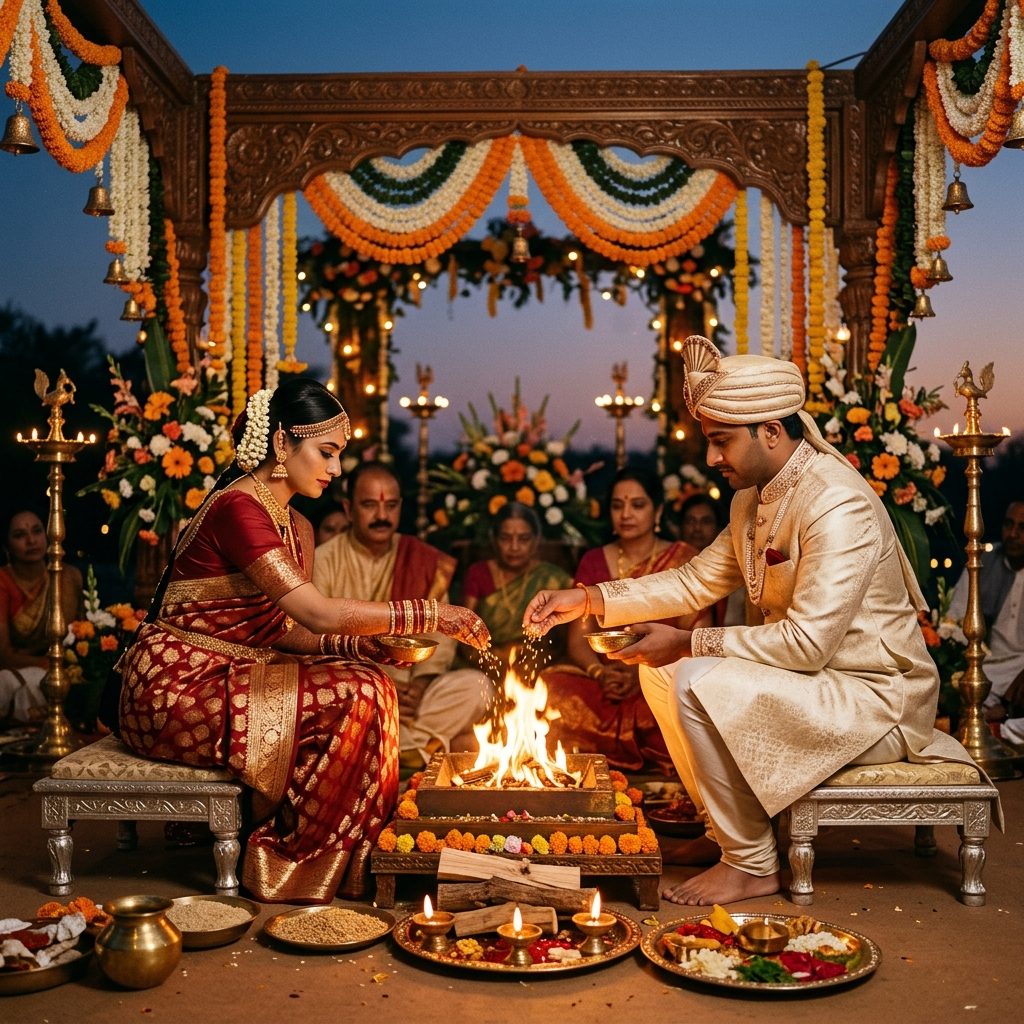
In Indian tradition, a wedding is not merely a grand social celebration; it is a sacred transition solemnized under the watchful eyes of the cosmos. The timing of this union, known as the Shubh Muhurat, is believed to channel positive planetary energies, ensuring a lifetime of harmony, prosperity, and mutual understanding for the couple. Selecting the perfect date and time involves a delicate balance of Vedic astrology, seasonal practicality, and family convenience.
The Astrological Pillars of a Muhurat
Priests and Vedic astrologers calculate auspicious wedding dates by analyzing the lunar calendar, also known as the Panchang. Key factors include the position of the Moon, the ruling deity of the day, and specific constellations or Nakshatras. Nakshatras like Rohini, Mrigashirsha, Uttara Phalguni, Uttarashadha, and Anuradha are traditionally considered highly favorable for marriages. Additionally, the couple's birth charts are analyzed to ensure the chosen date matches their individual planetary periods, neutralizing any doshas and maximizing planetary blessings for their new beginning.
Choosing a Shubh Muhurat is about aligning your earthly celebrations with cosmic harmony, creating a peaceful foundation for your shared future.
Balancing Regional Customs and Seasons
India's diverse cultural landscape means that Muhurat customs vary significantly across regions. For instance, South Indian communities, including Telugu, Tamil, and Kannada families, often prefer early morning hours for the main ceremony, aligning with the highly spiritual Brahma Muhurtham. In contrast, North Indian weddings frequently feature late-night Lagna ceremonies that stretch into the early hours of the morning. When choosing your date, it is essential to respect these regional traditions while also considering seasonal weather. Opting for dates during the pleasant winter months of November to February is popular, but it also means venues book out quickly. Balancing these elements ensures that guests remain comfortable throughout the rituals.
Practical Checklist for Finalizing Your Date
While planetary alignment is crucial, practical logistics should not be ignored. A successful wedding requires a date that works for both the cosmos and your loved ones. When looking at the calendar, keep this checklist in mind:
- Avoid Forbidden Periods: Certain times of the year, such as Kharmas, Pitru Paksha, or Adhik Maas, are traditionally considered inauspicious for major life events, and weddings are typically paused.
- Guest Accessibility: Aligning your Muhurat with a long weekend or school holiday makes it easier for out-of-town relatives to travel and participate in multi-day celebrations without stress.
- Vendor Openings: Highly auspicious days (sometimes called heavy Sawa dates) see massive demand. Ensure your preferred venue, caterers, and photographers are available before locking in the date.
Aligning Your Stars First
Finding the right date is a journey that begins with understanding your spiritual compatibility. Before you dive into the details of the Panchang and venue bookings, it is vital to check the alignment of your birth charts. Use the Shubh Muhrat Kundli Match tool to easily calculate your compatibility score and take the first steps toward finding your perfect, astrologically blessed wedding date.